
| Video guide: Equipment to get started |
The most common entomological method is individual collecting, which consists of visually looking for beetles on paths, plants, under rocks or bark - simply wherever you are. It has to be said that although this is the basic entomological collection method, we use it mostly as a supplementary method when collecting beetles. Human eyesight is not nearly so perfect that we can achieve significant successes in this way. Beetles are very sensitive and can register our steps at distances as short as 1 to 1.5 m. Then they quickly hide behind a leaf or simply let go and fall into the tall grass, where it is virtually impossible to detect them. After rolling away a rock or a log, most species try to quickly escape again and hide in underground passages or the nearest surroundings. Many species blend in perfectly with their environment. We will only be able to recognise such species after a certain period of time, when our eyesight becomes accustomed to looking for shapes resembling beetle bodies.
We already know that we can collect beetles almost anywhere. The following examples show us in which environments we can encounter beetles:
- human dwellings and their immediate surroundings (stables, garages, cellars, sheds)
- gardens
- city parks
- ruderal areas
- sand pits
- fields
- meadows
- pastures
- heathland and moorland
- woodlands
- flowing and standing water
- vertebrate nests
- invertebrate nests
- carrion
- herbivore droppings
- flood plains
Gear
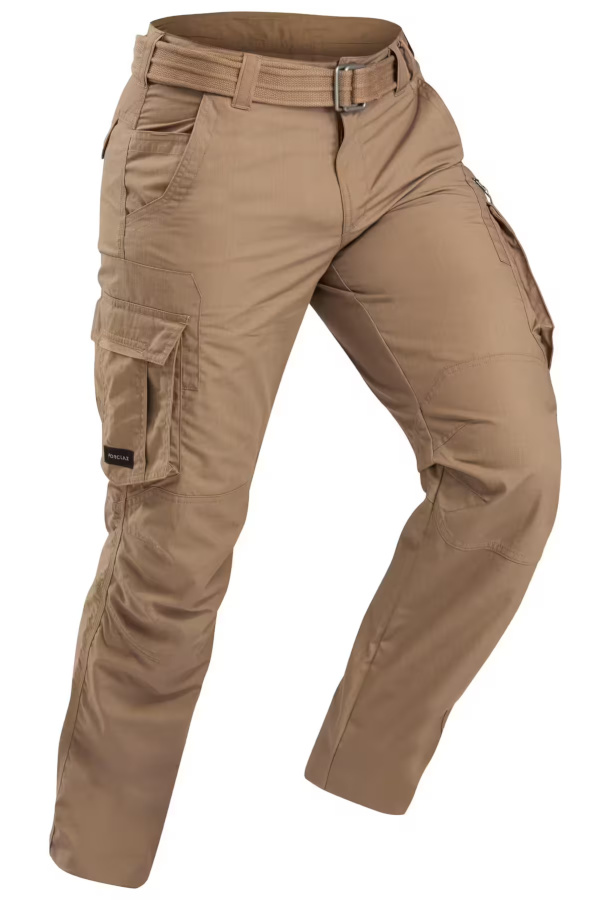
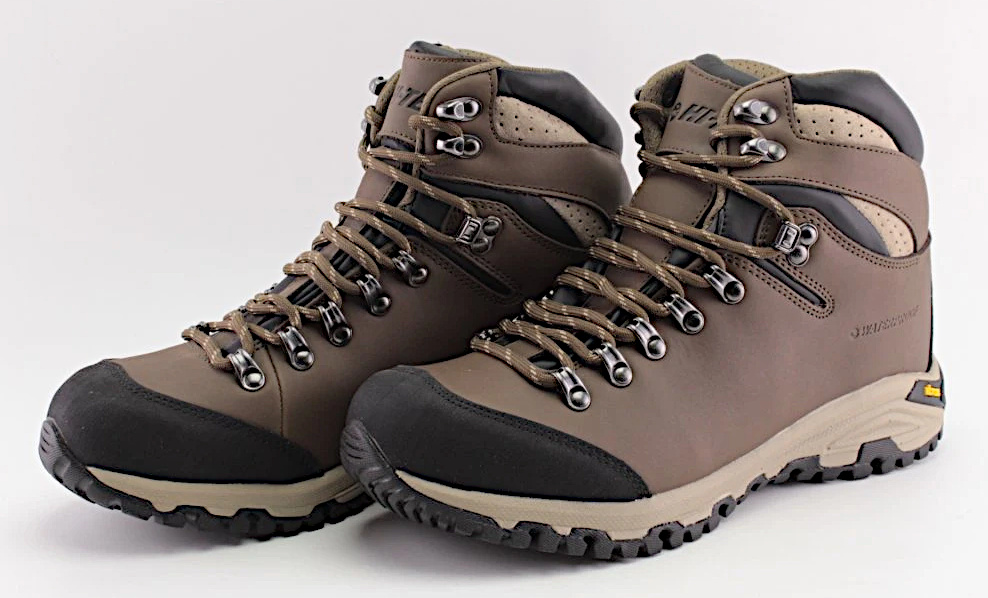
 Every entomologist, even a beginner, should equip himself with basic equipment for the expedition. Although it seems obvious, pay attention to good and practical clothing and footwear. If you are tackling various obstacles in the woods during your walks, such as brush, raspberry bushes, etc., definitely do not do so in short pants and sandals. Long outdoor trousers with multiple pockets are handy, where you can store your collecting bottles, magnifying glass, exhaustor and other things you want to keep handy. Of course, you should also have good quality field shoes that are comfortable and that also protect you sufficiently when overcoming various obstacles.
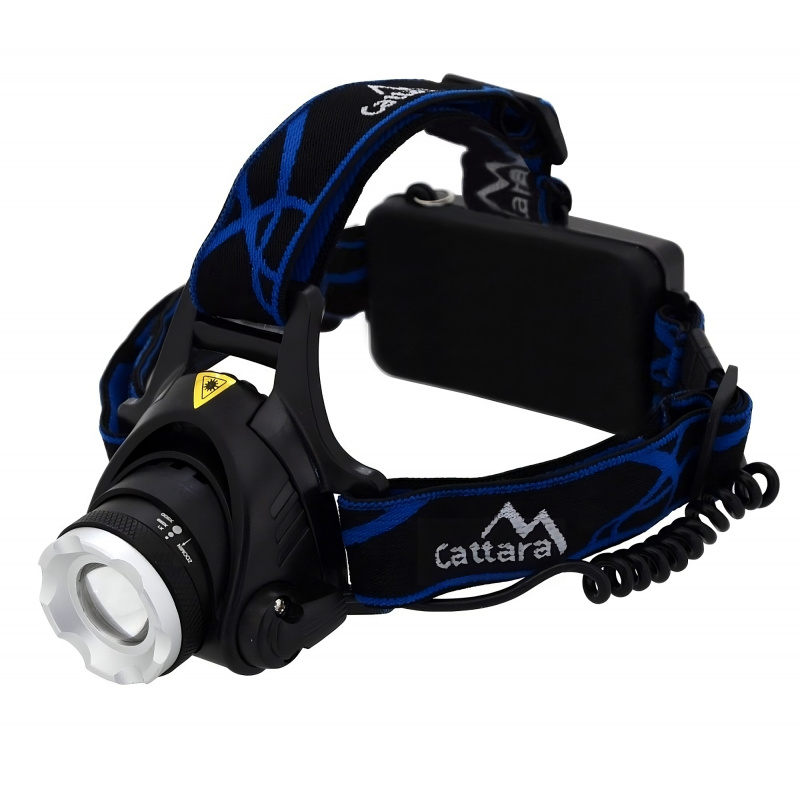
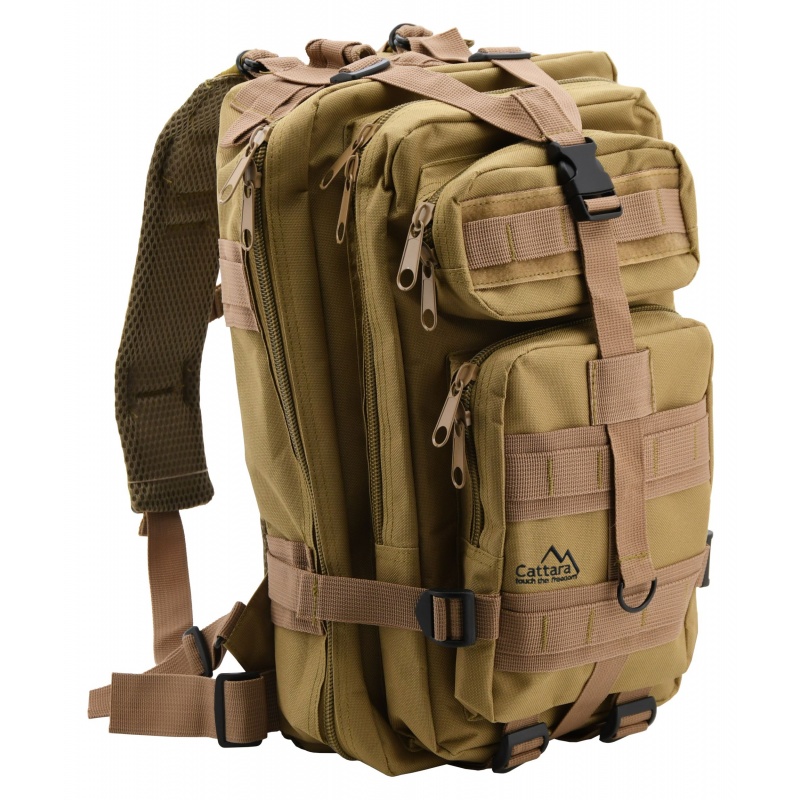
Supplement your clothing with a good backpack to store other tools that you may not have on hand. If you're going out in the early evening or hunting at night, be sure to equip yourself with a good quality headlamp with sufficient power and preferably a spare power source for the headlamp.
Don't forget to bring a bottle of water, which you can use not only to hydrate yourself, but also to rinse your hands or face. You may find that some of the beetles spray you with their defensive fluids. These fluids usually smell bad, but they can also be irritating or even corrosive.
Tweezers

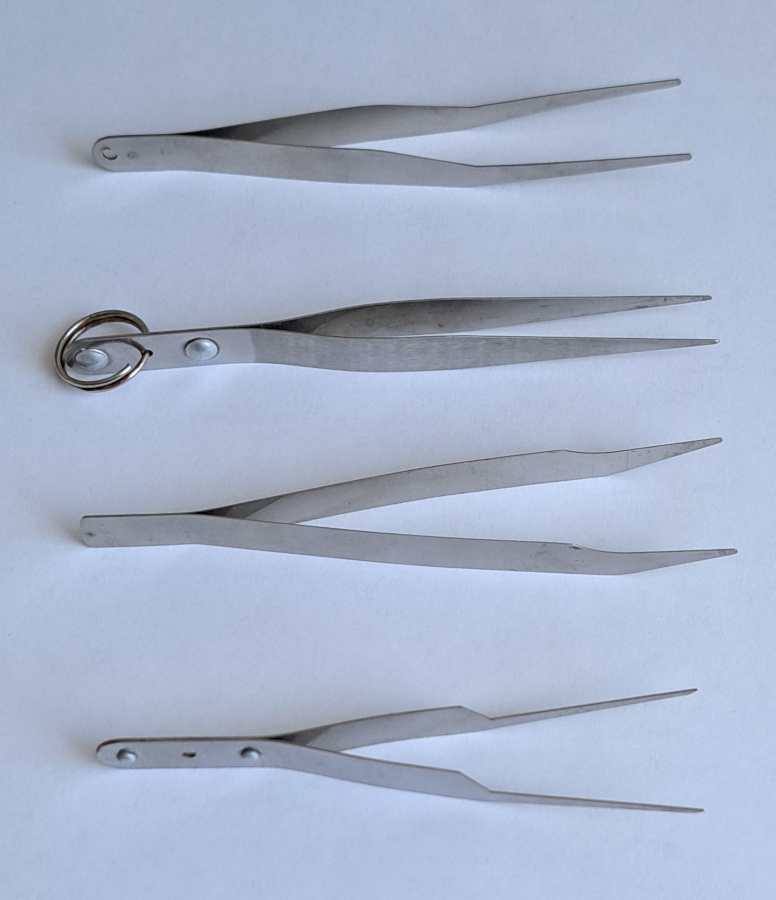 Larger specimens found can be gently grabbed by hand. However, we have to be careful when doing so. We grip them tightly enough so that they do not escape, but not so tightly that we crush them. However, some species of beetles defend themselves by releasing various smelly fluids, while others may release poisonous or corrosive substances. We must ensure that these fluids do not affect our eyesight and, if we have sensitive skin, we must also avoid staining our skin. In this case, we use entomological tweezers of the correct hardness to grasp them. Harder tweezers are for larger specimens, soft tweezers for small ones. Quality entomological tweezers are made in different hardnesses and shapes of stainless steel. Specialized tweezers are also manufactured for comfortable handling of beetles with convex bodies, such as ladybugs and leaf beetles.
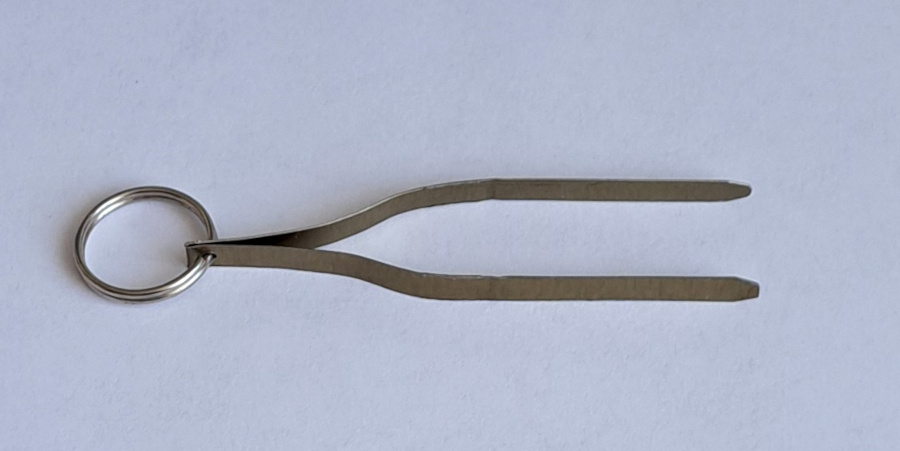 You can inexpensively make a simple soft entomological tweezer from the tissue used in file folders. Losing such a manufactured tweezer doesn't hurt so much afterwards - I sometimes lose tweezers in the heat of collecting in the field.
Exhaustor
| Videorádce: Exhaustor |
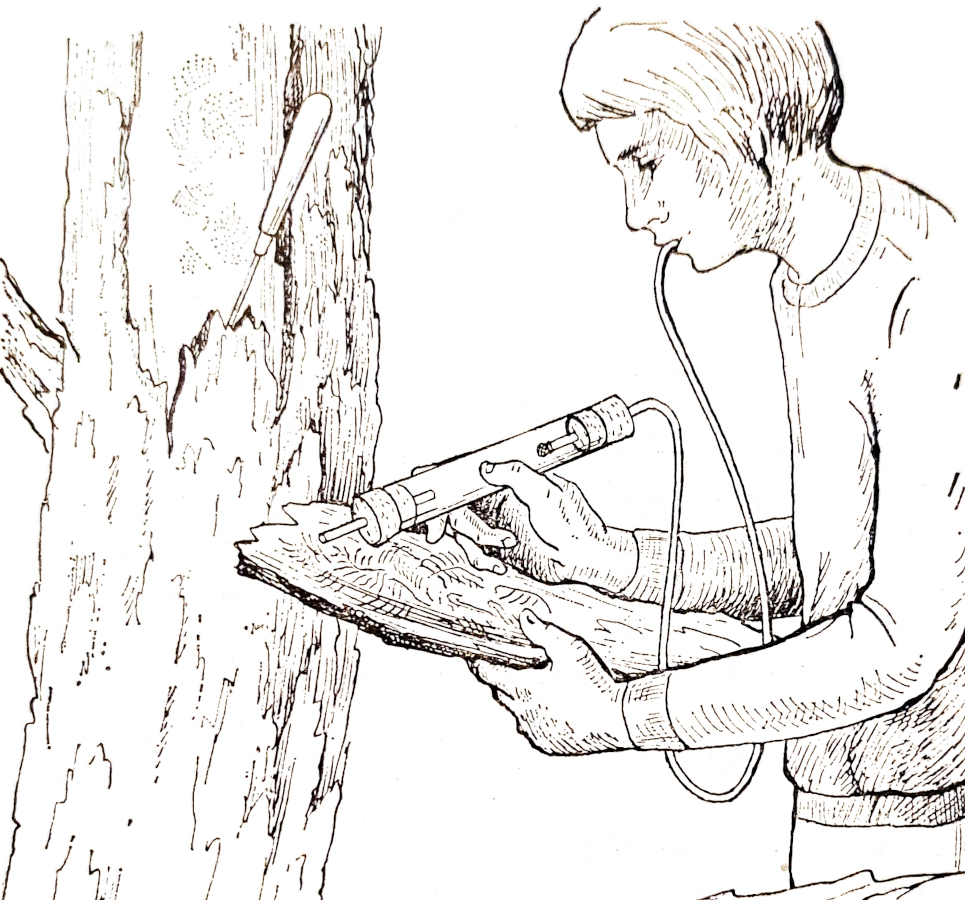
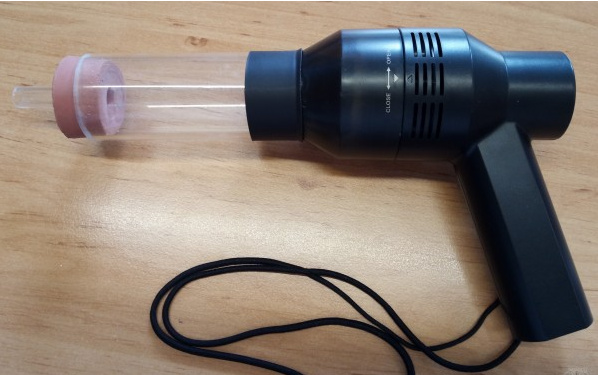
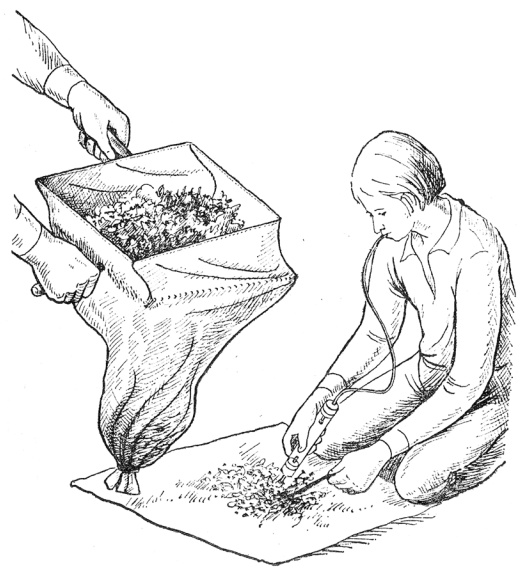
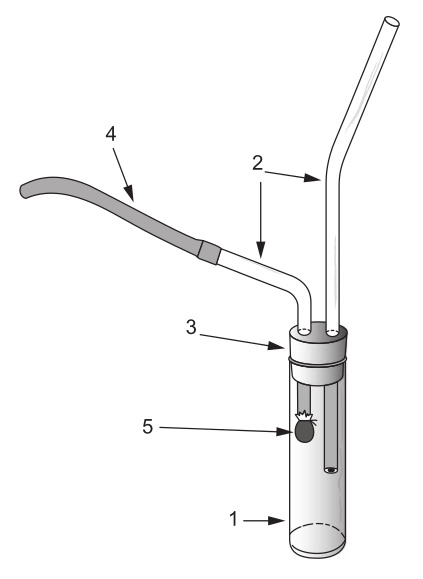 Another important basic tool used when hunting small specimens is the exhaustor. It is actually a kind of "vacuum cleaner" for insects. There are different designs of exhaustors. The basic one is a wider tube, which is closed at both ends with plugs through which a thin tube or thin hose passes. By creating a vacuum through the tube (usually through the mouth) we ensure that air is drawn into the other end (the thin tube), which takes everything in the vicinity with it, i.e. even small insects. In order to avoid sucking insects into the mouth, a monofilament filter is fitted at the end of the tubing inside the wider tube, or the wider tube is fitted with a permeable glass membrane, called a frit.
When using an exhaustor on faeces or carcasses, a vacuum is created by means of an electric vacuum cleaner or balloon or by using an exhaustor design in which the vacuum is created by blowing (analogy to a water pump) instead of suction. You can get a better idea of the exhauster design and its use from the attached pictures.
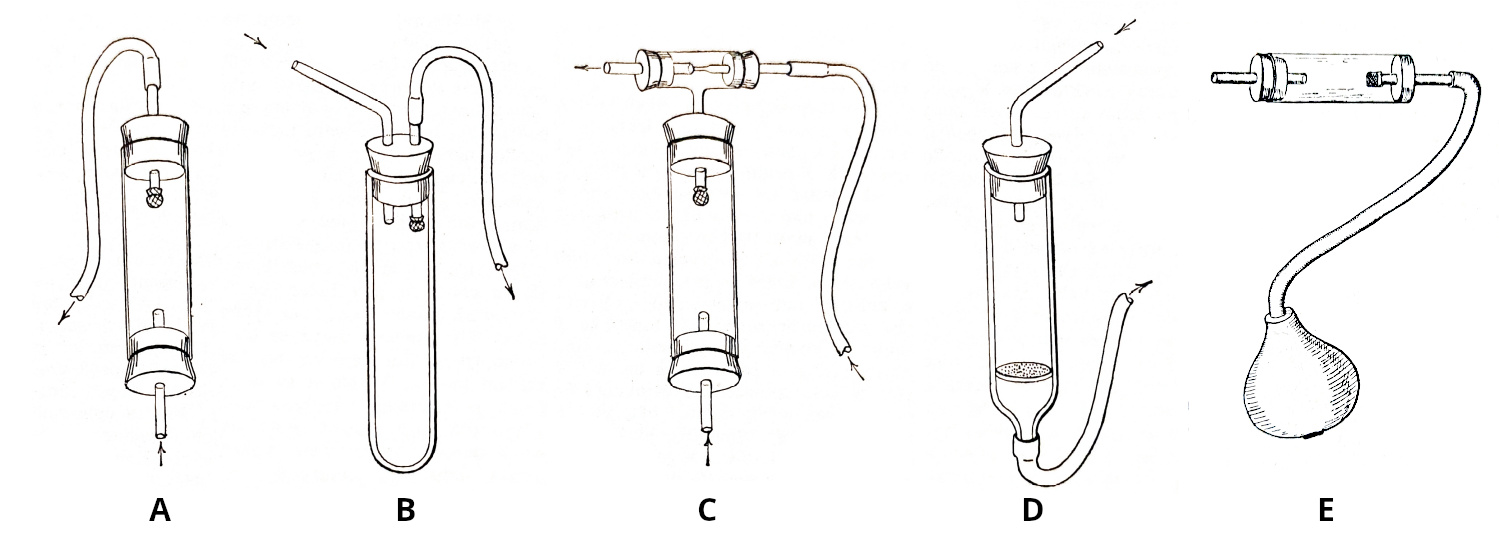 |
| Different exhaustor designs A - tube type; B - tube type; C - "blowing" type; D - exhaustor with fritted frit; E - exhaustor with balloon |
Killing Bottles
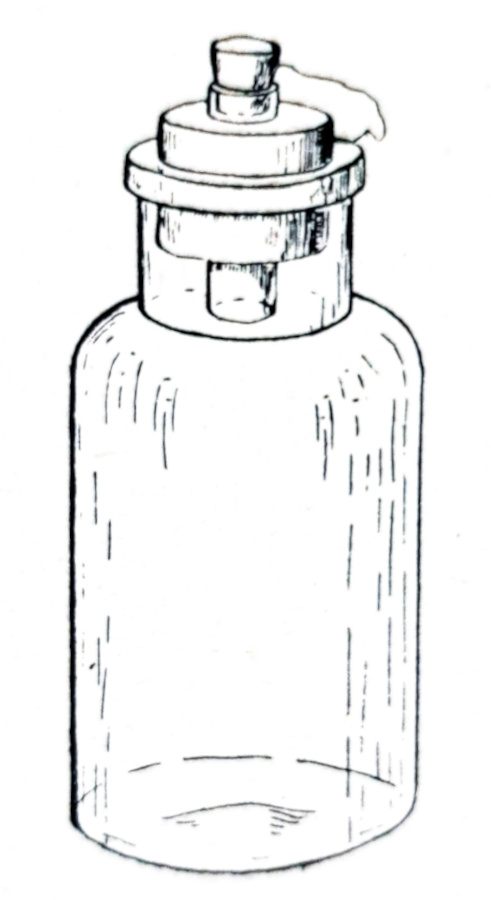
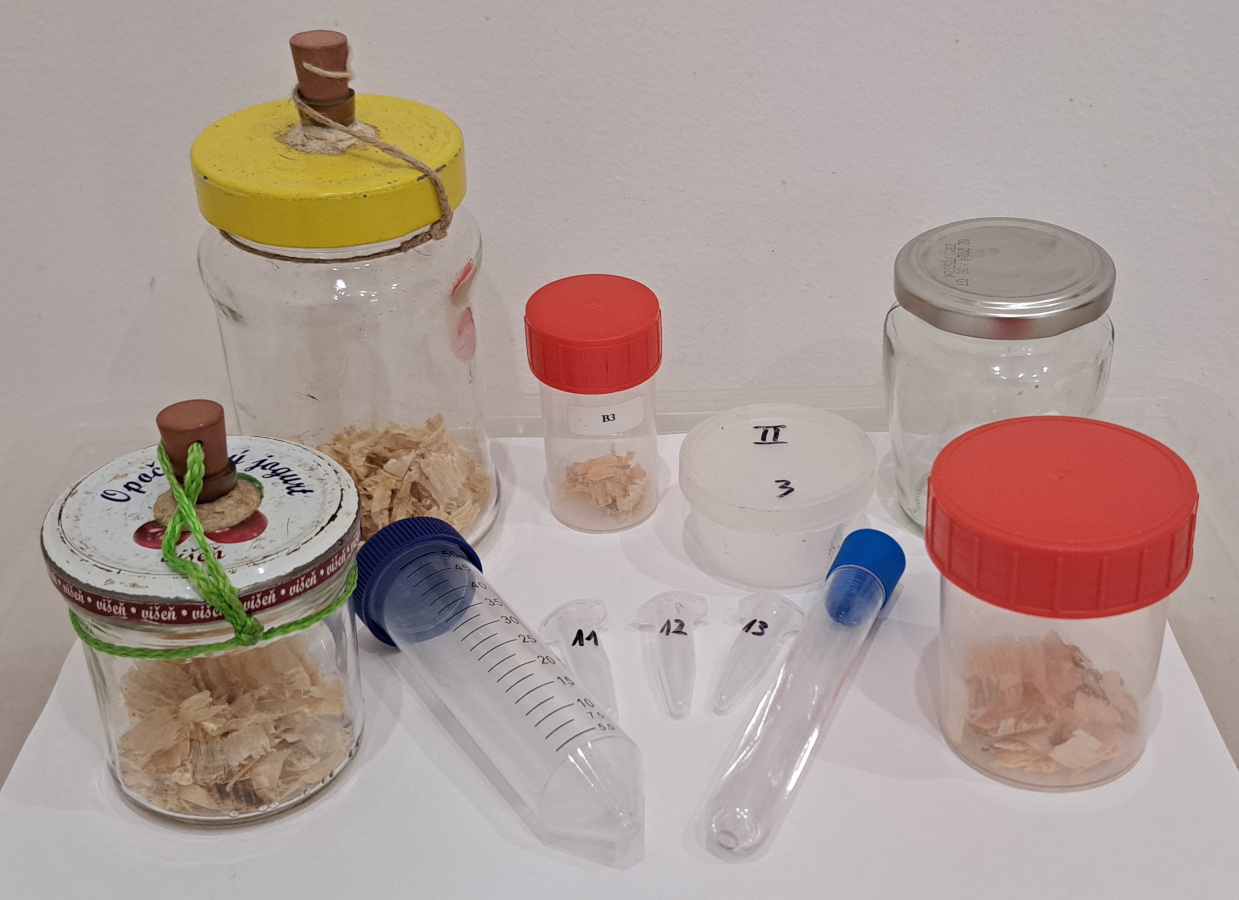 The collected specimens are put into collecting bottles called killing bottles. These are wide-mouthed bottles of various volumes, with coarse sawdust, pieces of cork or shredded absorbent paper or cellulose cotton wool (not ordinary cotton wool !!!) at the bottom. It is preferable if this bottle is closed with a stopper through which a short tube of about 10 mm diameter is passed, which is also closed with a stopper. Small specimens are inserted through the small tube, larger specimens are inserted by uncorking the death cap. This saves the volatile lethal substance. Killing bottles can be glass or plastic. Plastic killing bottles have the advantage of greater safety (they are unbreakable and there is no risk of cutting, for example, if you fall) and are lighter. When using plastic killing bottles, make sure they are made of polyethylene or polypropylene. The lethal substance used etches most other plastics. Do not put too many specimens together in one killing bottle or they may damage each other. Various defensive fluids are secreted when exposed to the killing agent and larger specimens can damage others or each other by biting. This is why we always carry multiple deadly bugs of different sizes. In addition to the killing bottles, it is a good idea to carry some transport boxes in which we do not kill the bugs, but only temporarily store them.
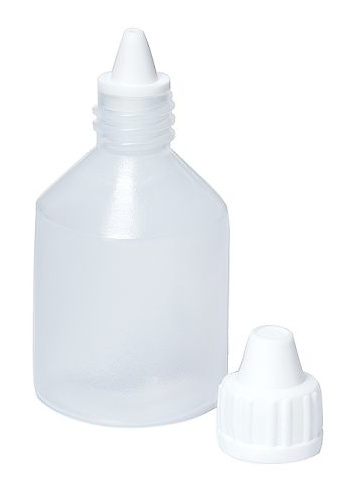
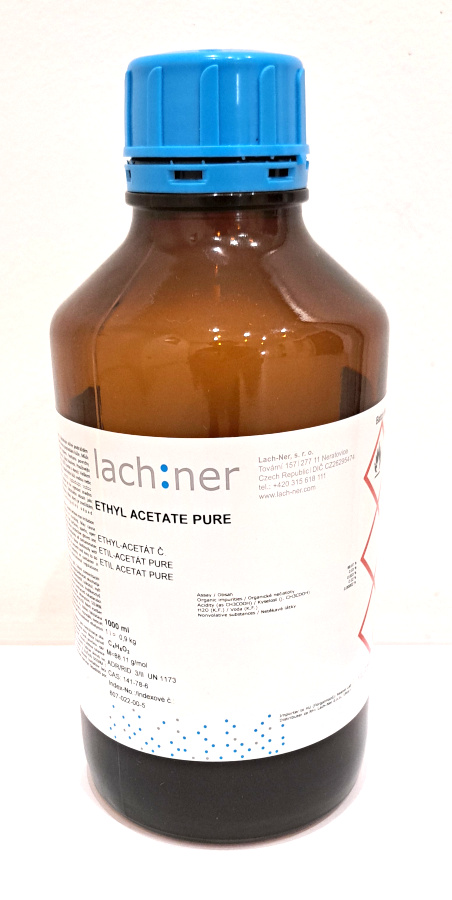 I've already mentioned several times the use of deadly substances. This is almost exclusively ethyl acetate in the case of beetle collecting. It's a clear, volatile liquid with a pear scent. We take a small supply of this substance with us on our excursions, preferably in a bottle called a "bralenka". It is usually available at bee supplies or pharmacies. A larger supply bottle can either be bought at an entomological exchange or it can be purchased (on an I.D.) at selected laboratory supplies (e.g. VERKON company). We drip about 10 drops into the mortar at the beginning of the excursion, adding more drops according to the frequency of opening the mortar.
The great advantage of ethyl acetate as a killing agent is the fact that during its application the beetles remain supple and are well prepared. In its vapours, trapped specimens can remain for up to 12 months without damage. However, this is not the case for some sensitive coloured specimens. For these, there is a risk of complete loss or fading of colour after only a few hours. Colour specimens are therefore only safely killed in ethyl acetate vapour (about 2 hours) and then removed from the death chamber. It is best to place these specimens in the freezer as soon as possible and remove them only about an hour before the actual preparation. If we do not have the possibility to freeze the specimens immediately, we place them in a transport box (e.g. epruvette, small plastic bottle, paper tube, eppendorf) so that they are not damaged after drying and leave them in this box to dry. We will need to dehumidify them before the actual preparation.
Other basic tools and aids
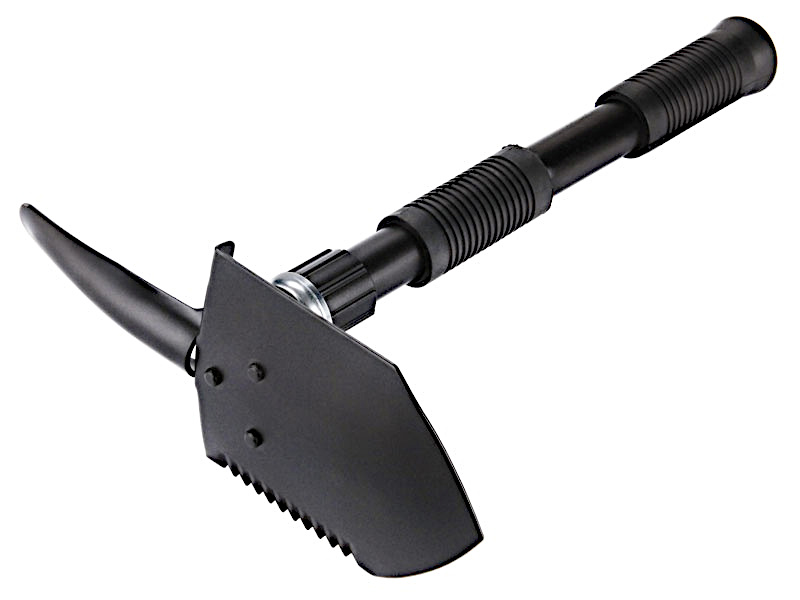 Another basic tool that we use for multiple purposes is a small field Shovel. A collapsible shovel is useful as a spade, hoe and Shovel. For example, it can be used for scooping humus, picking up dung or grubbing up. It is also useful for a number of other activities (sifting, earth traps, ...) which will be described in the following chapters. A stout dagger, a broad chisel, a hard spatula or a screwdriver will also serve us well when hunting for bark beetles.
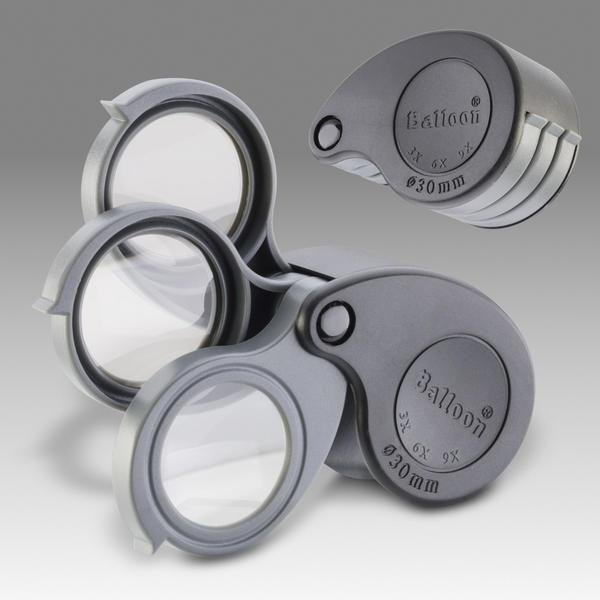
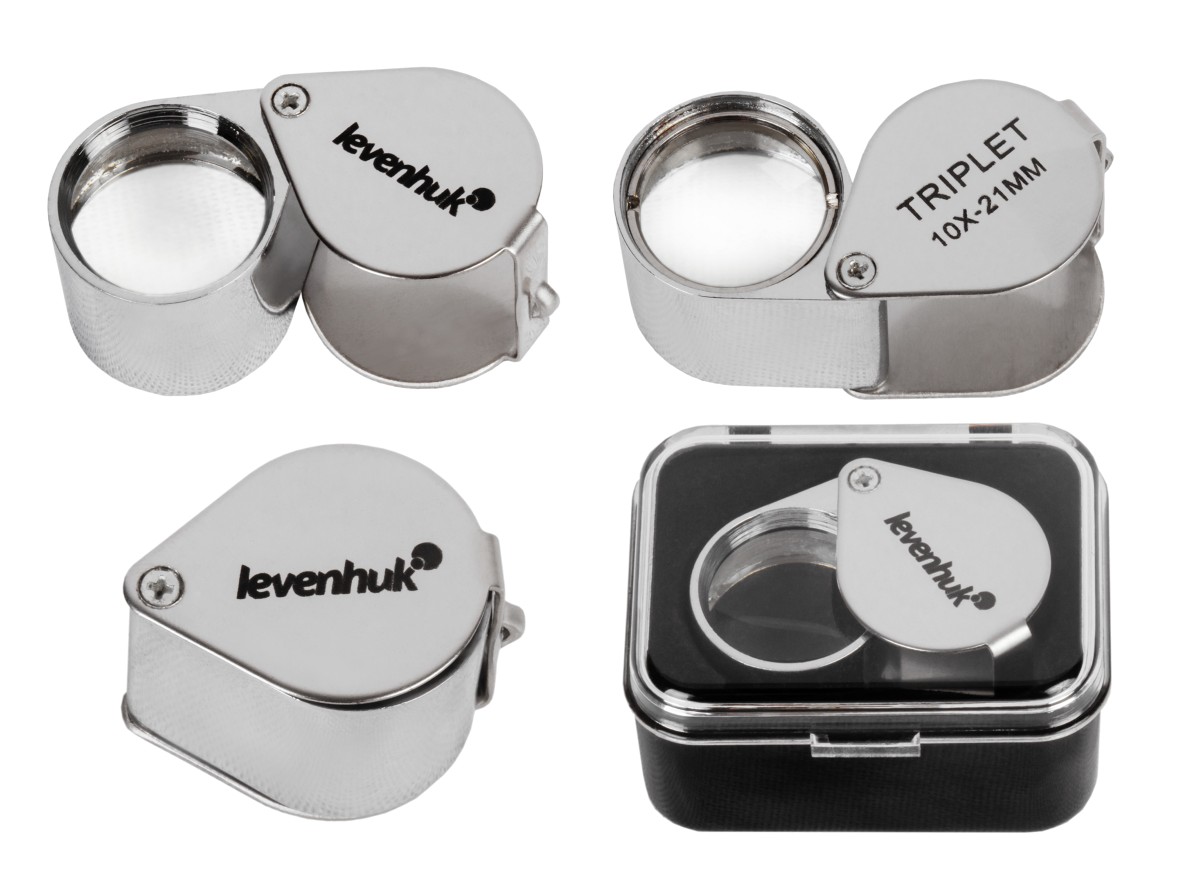 When working in the field, we occasionally need to examine a specimen we find under a magnifying glass. A small folding magnifying glass is another essential tool that should not be missing from any entomologist's kit. There are many types, differing in body material, lens material, magnification, diameter or illumination options. A good field magnifier should have a magnification of at least 10x. Multi-lens magnifiers, which can be stacked on top of each other to change the resulting magnification, seem to be the most practical.
The last thing I consider an essential tool for the entomologist is a field notebook and writing supplies. Any notepad/notebook will work well as a field notebook, or you can make a field notebook with pre-printed zones in which to record your notes. The field notebook entry should contain at least the following items:
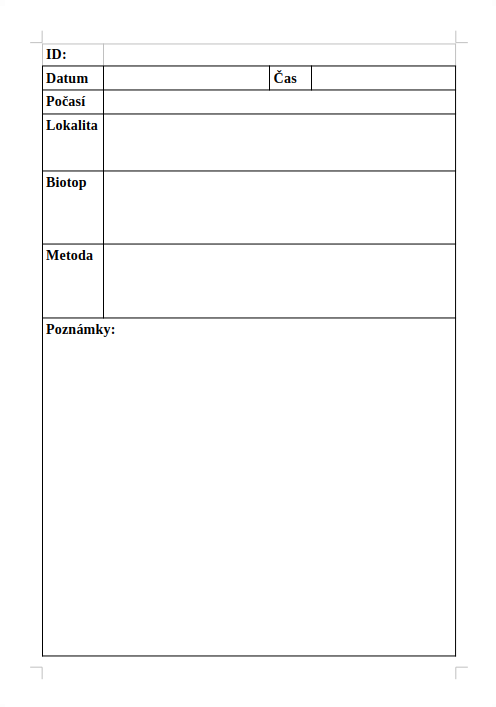
- date and time period of the field trip (collection)
- weather information
- location details (nearest village, name or details of collection site, altitude, faunal square, GPS coordinates)
- description of the habitat
- description of the collection method
- collection notes (more detailed collection data, e.g. food plants or numbers of individuals captured or observed)
- reference to the photographs taken
